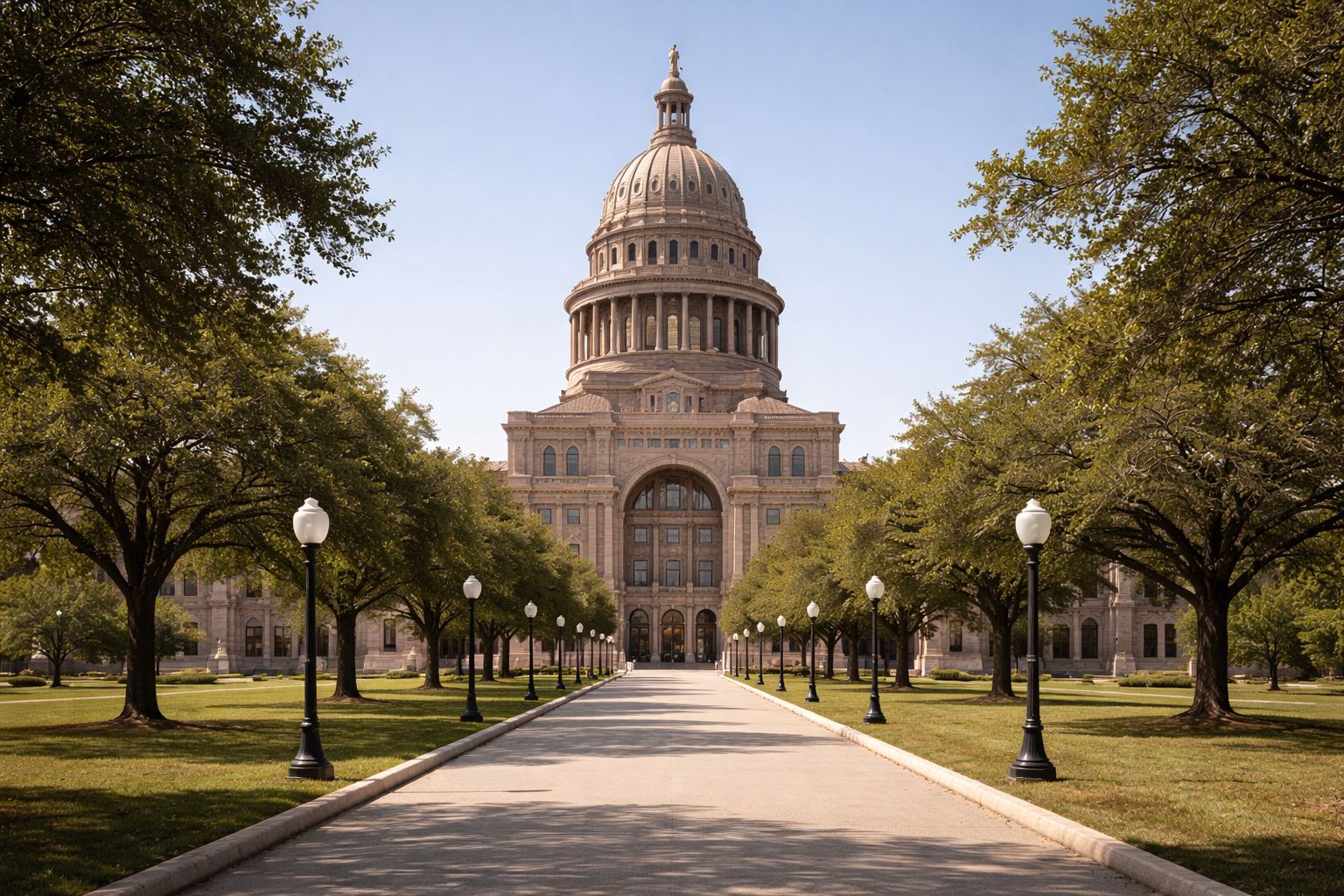
A clear commitment to end the practice of using taxpayer dollars to lobby against taxpayers’ own interests.
Texans expect their tax dollars to fund essential services—public safety, infrastructure, and schools—not political influence campaigns in Austin. Yet for years, state law has allowed local governments and public entities to use taxpayer money to hire lobbyists who often work against the very people paying the bills.
Momentum has grown to end this practice. Grassroots voters, taxpayer advocates, and the Republican Party of Texas have repeatedly called for banning taxpayer-funded lobbying as a matter of basic accountability. While the issue has gained attention in recent legislative sessions, meaningful reform has yet to reach the finish line.
In fast-growing regions like House District 106, where families are already feeling the pressure of rising taxes and local spending, ending taxpayer-funded lobbying is a necessary step toward restoring trust and fiscal discipline.
The Issue
Texas law currently allows cities, counties, school districts, and other public entities to spend taxpayer dollars on lobbyists to influence legislation. These lobbyists frequently oppose property tax relief, spending limits, border security measures, and other reforms supported by voters.
The result is a self-reinforcing system: government entities tax residents, use that money to hire lobbyists, and then lobby the Legislature for more authority, more spending, or fewer limits. Taxpayers are effectively forced to finance advocacy that may directly conflict with their own interests.
In House District 106, local governments and school districts have participated in this system, diverting public funds away from direct services and into political influence. While no single contract defines the problem, the structure itself invites abuse and weakens accountability.
Supporting Arguments
Legislation to ban taxpayer-funded lobbying has repeatedly passed the Texas Senate but stalled in the House, despite being designated a Republican Party of Texas priority. Proposals have been included in legislative agendas and special sessions, yet procedural delays and committee inaction have prevented a full vote.
The absence of a clear statutory ban allows public entities to justify lobbying expenditures as “government relations” or “advocacy,” even when those efforts oppose voter-backed reforms. Attempts to carve out exceptions or grandfather existing contracts further weaken reform and preserve the status quo.
The core problem is structural: as long as taxpayer-funded lobbying is permitted, government has a built-in incentive to grow itself at public expense. Taxpayers should not be compelled to bankroll political efforts that undermine transparency, fiscal restraint, or voter intent.
What I Support
Tax dollars should serve citizens—not insiders. I support:
- A complete prohibition on taxpayer-funded lobbying at all levels of government, with no carve-outs or exceptions
- Barring the use of public funds for lobbying, advocacy, or influence campaigns directed at the Legislature or state agencies
- Mandatory transparency and public reporting of all government contracts related to external advocacy or consulting
- Strong enforcement mechanisms, including penalties for officials who knowingly violate the ban
- Redirecting savings toward direct taxpayer relief or essential local services
Ending taxpayer-funded lobbying restores a clear line between representation and self-interest.


Why This Matters
When public money is used to lobby for more spending or fewer limits, taxpayers lose twice—once through higher taxes and again through reduced trust in government. Families in HD 106 already face rising property taxes, utility costs, and local fees. They should not be asked to subsidize political games in Austin.
Banning taxpayer-funded lobbying encourages honest budgeting, prioritizes local needs, and forces public officials to justify policies directly to voters—not through paid advocates. Accountability improves when government lives within its means and answers to the people it serves.
Rick Abraham’s Approach
I approach this issue as a matter of basic fairness and accountability. Taxpayer money should never be used to lobby against taxpayers.
As State Representative, I will support a clean, enforceable ban on taxpayer-funded lobbying and oppose attempts to weaken reform through exemptions or loopholes. I will push for transparency, enforcement, and public reporting so voters can see exactly how their money is spent.
This is not about politics—it is about trust. Texans deserve a government that works for them, not one that uses their own dollars to work against them.
Sources & Data
- Republican Party of Texas Platform — opposition to taxpayer-funded lobbying
https://texasgop.org/platform/ - Texas Legislature Online — bills addressing taxpayer-funded lobbying
https://capitol.texas.gov/ - Texas Ethics Commission — lobbyist and government expenditure filings
https://www.ethics.state.tx.us/ - Texas Tribune — coverage of taxpayer-funded lobbying legislation and debates
https://www.texastribune.org/